Why Sand Gnats Are So Common in Coastal Areas
Along the coasts of North Carolina, South Carolina, Georgia, and Florida, sand gnats often become a familiar part of outdoor life during the warmer months. These tiny insects can seem to appear almost everywhere once temperatures rise.
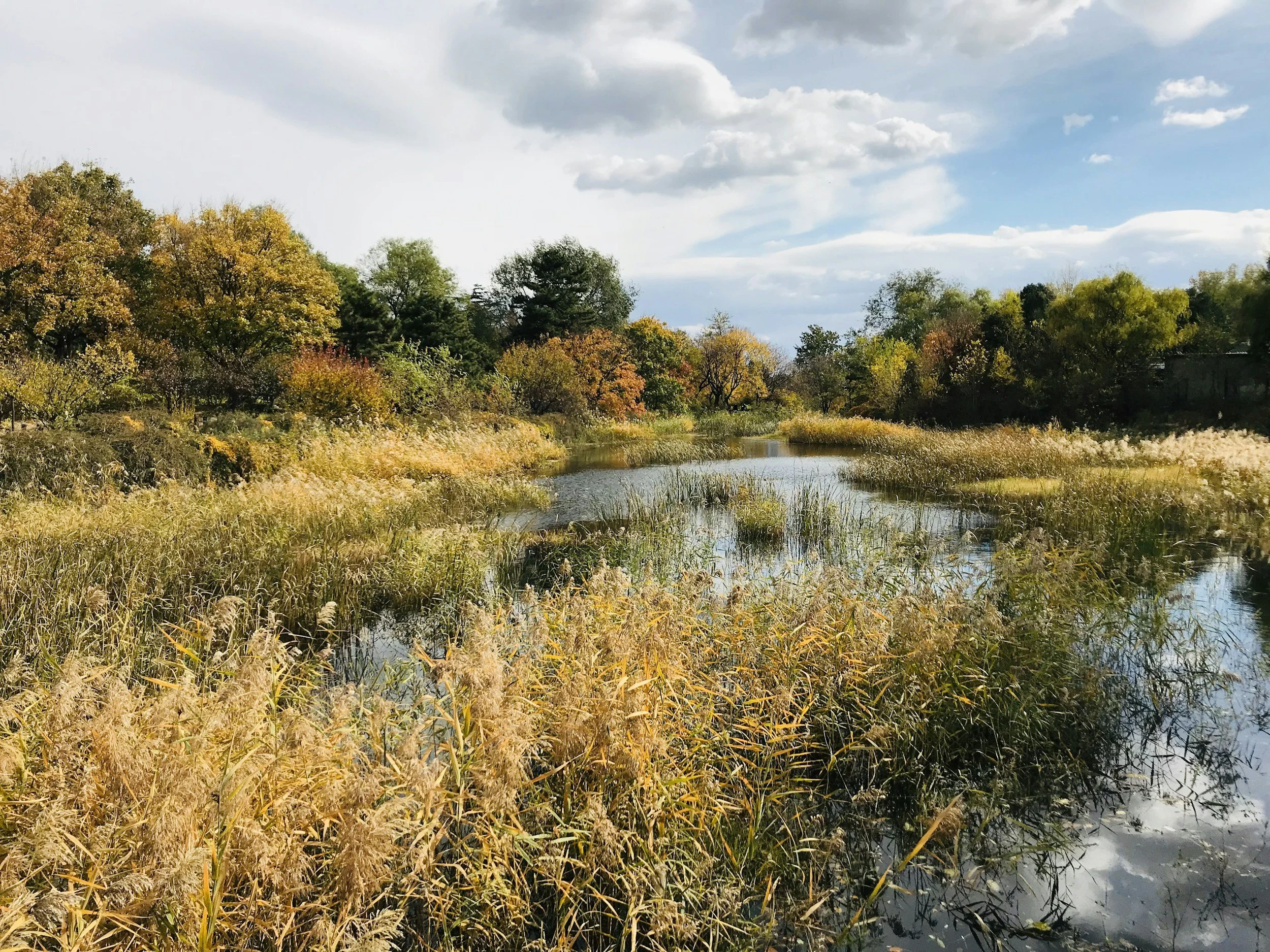
Sand gnats, often called no-see-ums, thrive in coastal marsh environments. Warm temperatures, high humidity, and tidal marshlands create ideal conditions for these insects to live and reproduce.
That is why sand gnats are especially common in coastal communities surrounded by salt marshes. They are widely known in places such as Bluffton and Hilton Head in South Carolina, Savannah, Tybee Island, Wilmington Island, and Richmond Hill in Georgia, and farther south along the Golden Isles including Brunswick, St. Simons Island, and Jekyll Island.
These communities sit next to large tidal marsh systems, which naturally support large sand gnat populations.
Why sand gnats thrive near the coast
• Salt-marsh habitats provide ideal breeding areas
• Warm coastal humidity helps them stay active
• Mild winters allow populations to return quickly each season
• Evening breezes near marshes can carry them inland
Because sand gnats are extremely small, usually around 1/16 inch, many people do not notice them until they feel the bite.
For families enjoying outdoor activities near the coast such as sports practices, fishing, boating, or backyard gatherings, sand gnats are simply part of the coastal environment.
At Burly Elephant, we created our Natural Insect Repellent to help families stay comfortable while spending time outdoors in coastal environments where sand gnats are common. Learn more about how our sand gnat solution works on our How It Works page.