How to Stop Sand Gnat Bites (Savannah & Coastal Georgia Guide)
Gnats in Savannah are not like regular bugs.
Along the coast, these tiny insects bite aggressively, leave long-lasting irritation, and often catch people off guard. Many newcomers quickly realize that standard mosquito sprays and basic precautions are not enough.
These are sand gnats, also known as no-see-ums, and stopping their bites requires a different approach.

Why Sand Gnat Bites Are So Hard to Avoid
Unlike mosquitoes, sand gnats:
Are extremely small and hard to see
Can slip through light clothing
Are most active during early morning and evening
Thrive in humid, coastal environments like Savannah
This is why many people feel like nothing seems to work against gnats.
1. Use the Right Type of Protection (Not All Repellents Work)
The biggest mistake is relying on general mosquito spray.
Sand gnats respond differently. In coastal Georgia, effective protection usually means:
Oil-based or skin-layer repellents
Formulas designed for biting midges
Products that stay on the skin instead of evaporating quickly
For anyone dealing with gnats in Savannah, this difference matters.
2. Cover Strategically (But Don’t Rely on Clothes Alone)
Long sleeves help, but they are not a complete solution.
Sand gnats can:
Bite through thin fabrics
Get under loose-fitting clothing
Target exposed areas like ankles, neck, and hairline
Focus protection on ankles, behind knees, neck and hairline, and arms and wrists.
3. Avoid Peak Gnat Activity Times
In Savannah and surrounding coastal areas, gnats are most active:
Around sunrise
Around sunset
After rain or during high humidity
Midday outdoor time is usually more manageable compared to early morning or evening near marsh-heavy areas.
4. Apply Protection Before Exposure
Waiting until bites start is already too late.
For sand gnats:
Apply before going outdoors
Reapply when sweating or staying out longer
Prevention is far more effective than reacting.
5. Create a Skin Barrier
Sand gnats do not simply land and bite. They cut the skin to feed.
Creating a barrier on the skin helps:
Reduce how easily they bite
Make skin less attractive
Lower overall exposure
6. What to Do After Bites Start
Once bites happen:
Move away from marshy or low-airflow areas
Wash skin to remove sweat and attractants
Avoid scratching to prevent irritation
Use cooling or soothing products for relief
Why Gnats Feel Worse in Savannah
Gnats in Savannah and coastal Georgia tend to be more intense because of:
Warm, humid climate
Marsh-heavy environment
Ideal breeding conditions
This combination makes the bites feel stronger and more persistent than in other regions.
FAQs About Gnats in Savannah
What time of day are gnats worst in Savannah?
Gnats are usually most active during early morning and around sunset. Coastal humidity and marsh conditions make these times especially intense.
Why are gnats so bad in Savannah?
Savannah’s warm, humid climate and marsh-heavy environment create ideal breeding conditions for sand gnats, making them more aggressive than in many other areas.
Do sand gnats bite through clothes?
Yes, sand gnats can bite through thin or lightweight fabrics and can also get under loose-fitting clothing.
What works best against gnats in coastal Georgia?
Protection that stays on the skin, such as oil-based or longer-lasting repellents, tends to work better than fast-evaporating sprays.
Are gnats worse after rain?
Yes, gnats often become more active after rain due to increased humidity and ideal breeding conditions.
Final Thoughts
Stopping sand gnat bites comes down to using the right approach:
Choose the right protection
Apply it at the right time
Focus on exposed areas
Understand local conditions
With the right strategy, dealing with gnats in Savannah becomes far more manageable.
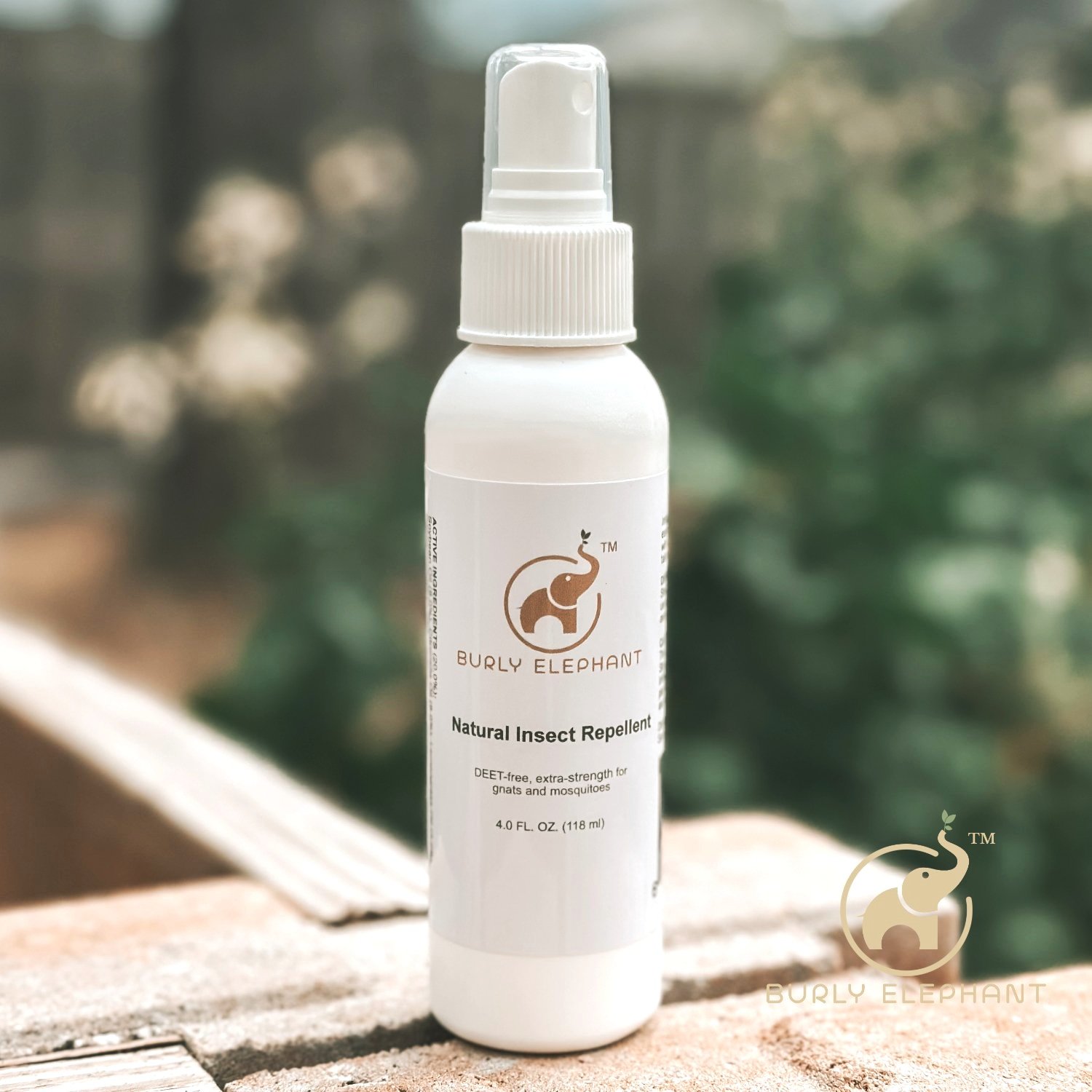
For those living in coastal Georgia, many people end up switching to products specifically made for sand gnats rather than general bug sprays. Having something designed for these conditions can make outdoor time a lot more comfortable, especially during peak season.