How to Treat Bites from Sand Gnats & Mosquitos
Bug bites on kids can turn uncomfortable quickly, especially when sand gnats are involved.
In coastal areas like Savannah, Richmond Hill, Wilmington Island, Tybee Island, and nearby marsh communities, these tiny insects are a daily challenge. Sand gnat bites are known for causing intense itching, lingering irritation, and discomfort that often becomes more noticeable later in the day or at night.
For parents, that often leads to:
Constant scratching
Irritated, sensitive skin
Restless nights
Knowing how to care for these bites properly can help your child feel better faster and stay more comfortable.
How do you treat sand gnat bites on children?
To treat sand gnat bites on children:
Clean the area with soap and water
Apply a cold compress for 10 to 15 minutes
Use a gentle anti itch solution like aloe vera or oatmeal cream
Keep the area clean and avoid scratching
Monitor for signs of irritation or infection
These steps help reduce itching, swelling, and discomfort caused by sand gnat bites.
Why Sand Gnat Bites Feel Worse
Sand gnats, often called no see ums, are common in coastal environments. Unlike mosquitoes, they are extremely small and often bite in clusters.
What makes them more irritating:
They trigger a stronger skin reaction
Bites can appear in groups
The itching can feel delayed and more intense
Kids often react more than adults
Because of this, sand gnat bites can feel more uncomfortable and last longer than typical mosquito bites.
Step by Step: How to Treat Bug Bites on Kids
1. Clean the Skin
Wash the area gently with soap and lukewarm water. This helps remove any irritants and keeps the skin clean.
2. Use a Cold Compress
Apply a cool, damp cloth or wrapped ice pack for about 10 to 15 minutes. This helps calm itching and reduce swelling.
3. Apply a Soothing Solution
Choose gentle options that are safe for children:
Aloe vera
Oat based creams
Light baking soda paste
Cooling sprays can be especially helpful because they:
Help to soothe the feeling of itching
Create a cooling sensation that distracts from irritation
Easy to apply without touching sensitive skin
These can help reduce irritation without being harsh on the skin.
4. Prevent Scratching
Keep nails short and consider light clothing at night to reduce skin damage. Scratching can make bites worse and slow healing.
5. Keep an Eye on the Bite
Most bites are harmless, but watch for:
Unusual swelling
Spreading redness
Signs of infection
If anything looks concerning, check with a doctor.
Why Do Sand Gnat Bites Itch More Than Mosquito Bites?
Sand gnat bites often itch more than mosquito bites because they trigger a stronger immune response. The body releases histamine, which causes itching and irritation. This can feel worse at night when skin temperature rises, and the body becomes more sensitive.
What Is the Fastest Way to Stop Bug Bites From Itching?
The fastest way to relieve itching is to apply a cold compress and use a soothing topical treatment like aloe vera or an oatmeal-based cream. Avoid scratching, as it can increase irritation and delay healing.
Extra Tips for Coastal Areas
In places like Bluffton, Savannah, Tybee Island, Wilmington Island, and Richmond Hill, sand gnats are especially common due to nearby salt marshes.
Helpful habits:
Avoid being outside during dawn and dusk
Stay away from marsh edges when possible
Shower after outdoor activity
Wear lightweight protective clothing
The Best Way to Treat Bug Bites Is to Prevent Them
While these steps can help treat bites, prevention makes the biggest difference, especially for kids.
In coastal environments where sand gnats are part of daily life, having a reliable way to avoid bites helps keep your child comfortable from the start.
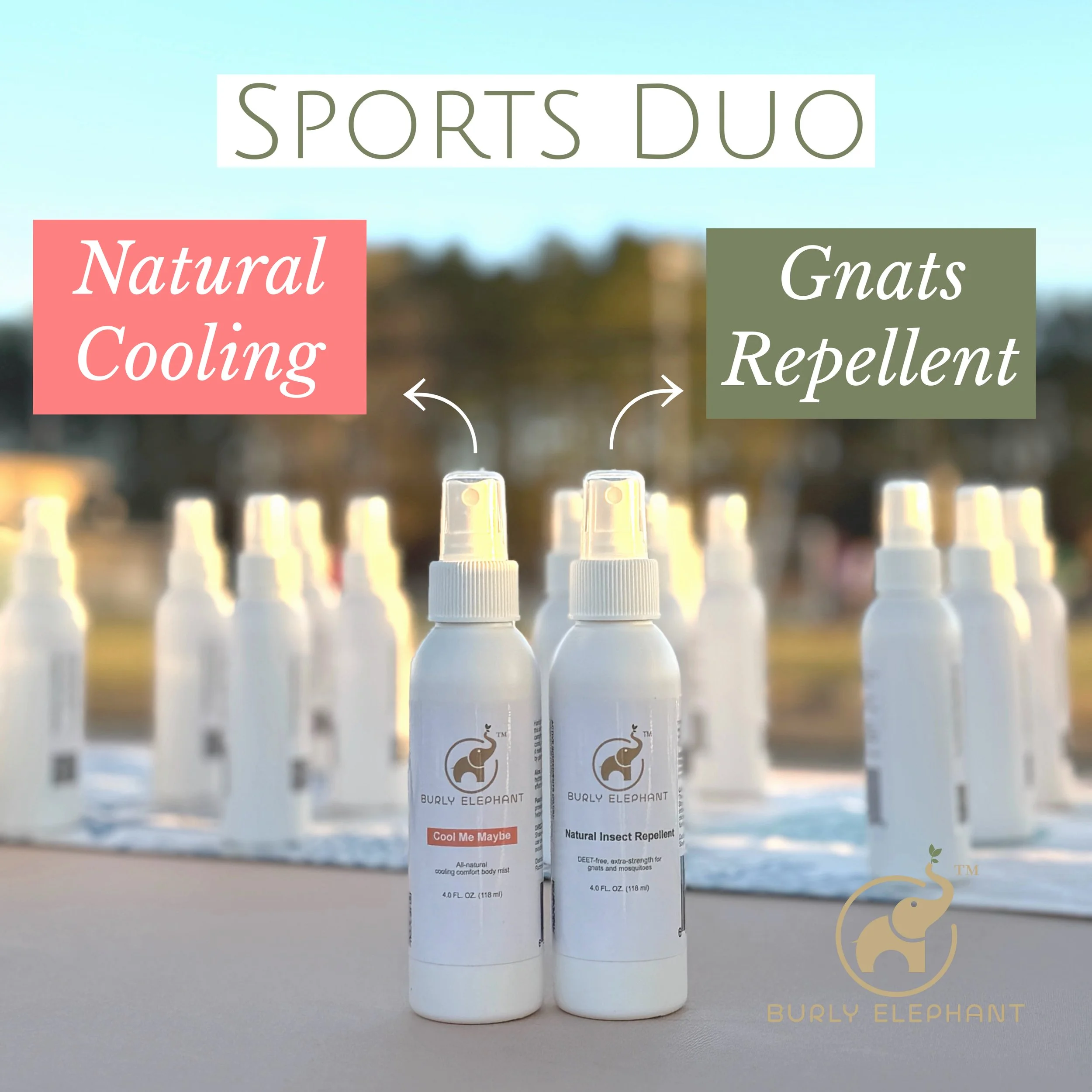
At Burly Elephant, we created a Natural Insect Repellent designed specifically for coastal conditions like sand gnats, so families can spend more time outdoors without the constant irritation.